Key Trends In Middle East Politics
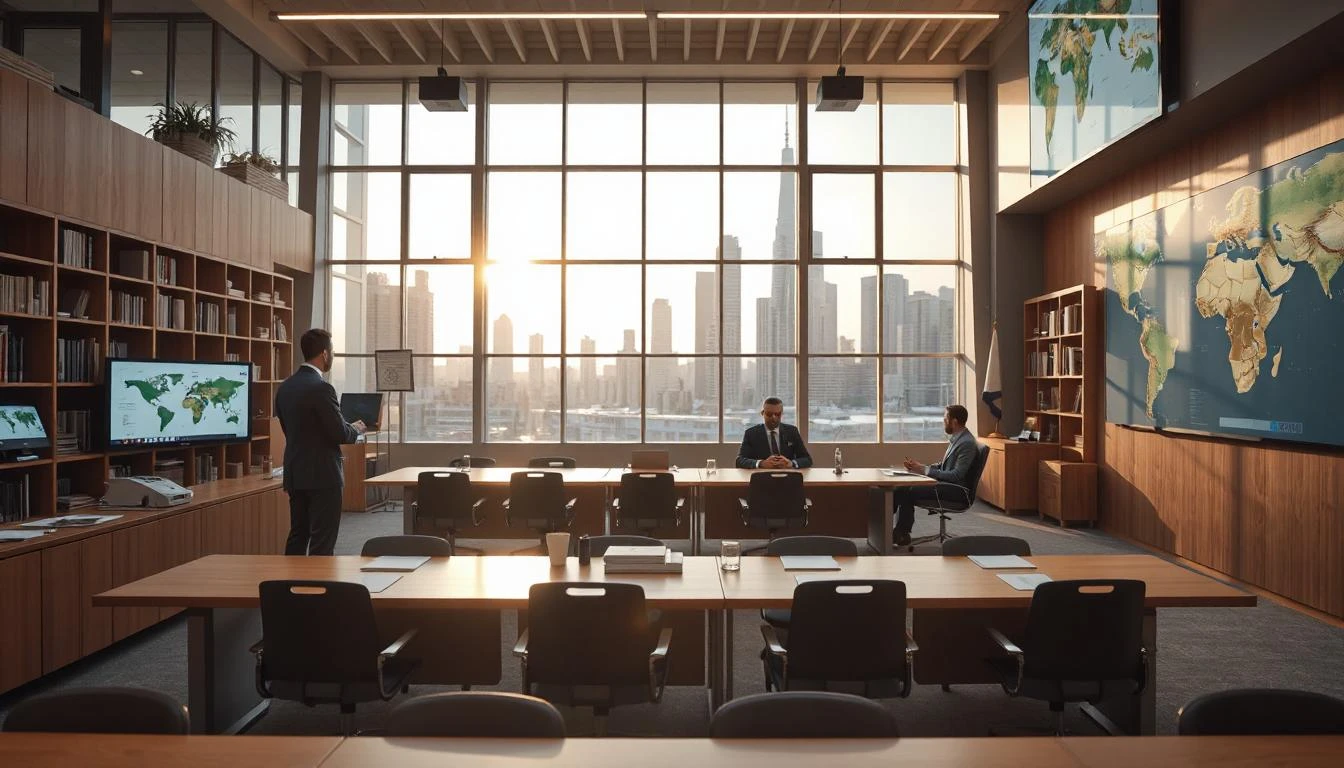
The global political stage is constantly shifting, but few regions command attention quite like the Middle East. Every diplomatic move, alliance shift, or policy reform carries weight far beyond its borders, influencing energy markets, security frameworks, and international negotiations in real time.
In today’s interconnected world, middle east politics has become a defining force in shaping global order. It is no longer just a regional subject, it is a strategic narrative that affects international relations, economic stability, and geopolitical forecasting across continents.
Understanding The Political Landscape Of The Middle East
The political environment in the Middle East is not a static map of nations, but a living system of history, strategy, and evolving power structures. To truly grasp its complexity, you need to see how deep-rooted influences continue to shape present-day decisions and future trajectories.
The discussion around middle east politics is inseparable from centuries of transformation, where empires, colonial borders, and modern state-building efforts created a layered geopolitical identity that still influences global attention today.
The phrase regional political developments often appears in global analysis when describing how fast-moving diplomatic and domestic shifts redefine stability across the region.
Historical influences on regional politics
The modern Middle East was heavily shaped by post-Ottoman restructuring, colonial mandates, and Cold War rivalries. These historical layers continue to influence alliances, disputes, and governance models across nations.
Strategic importance of the region
Its geographic position between Asia, Europe, and Africa makes it a central hub for trade and energy routes. Maritime chokepoints and oil reserves amplify its global strategic relevance.
Political diversity across Middle Eastern countries
From monarchies like Saudi Arabia to republics like Iran, the region reflects a spectrum of governance systems. This diversity creates both cooperation opportunities and geopolitical friction.
Major Trends Shaping Middle East Politics
The evolution of modern governance in the region is driven by reform agendas, diplomatic recalibration, and shifting security priorities. These forces are redefining how states interact with each other and with the broader international system.
Before diving deeper, it is important to understand that middle east politics today is increasingly shaped by pragmatic decision-making rather than purely ideological positioning.
The concept of regional political developments is also tied closely to economic diversification and international partnerships emerging across Gulf and non-Gulf states.
Regional cooperation and diplomatic initiatives
Recent diplomatic breakthroughs highlight a shift toward dialogue-driven stability. Agreements and normalization efforts signal a gradual rethinking of long-standing regional tensions.
Economic transformation and development programs
Large-scale reforms such as national vision programs are reshaping economies beyond oil dependency. These initiatives also influence domestic political legitimacy and social transformation.
Security challenges and geopolitical dynamics
Despite progress, the region continues to face proxy conflicts, cybersecurity threats, and border tensions. These issues remain central to strategic policymaking.
A geopolitical analyst, Dr. Michael Stevens, once noted, “The Middle East is not defined by instability alone, but by its constant recalibration of power under pressure.”
The Global Impact Of Middle East Politics
The ripple effects of regional decisions extend into global markets, diplomatic relations, and security alliances. What happens in the Middle East rarely stays confined within its borders.
Understanding middle east politics is essential for interpreting global energy trends, trade flows, and even inflation patterns in major economies.
At the same time, regional political developments continue to influence how global institutions respond to crises, partnerships, and economic forecasting.
Energy markets and international relations
Oil and gas exports from the region play a crucial role in global energy stability. Any disruption or policy shift can immediately affect international pricing and supply chains.
Trade partnerships and economic influence
The Middle East is increasingly positioning itself as a global logistics hub, connecting major continents and reshaping trade corridors.
The role of global powers in regional affairs
Countries such as the United States, China, and Russia maintain strategic involvement in the region through diplomacy, trade, and security cooperation. As political analyst Sarah Whitmore states, “Middle Eastern stability is no longer regional, it is a global responsibility shared by multiple powers.”
A subtle but powerful shift is underway in how influence is distributed across the region, signaling long-term transformation in global diplomacy.
Following Key Developments In Middle East Politics
Tracking ongoing changes in the region requires more than news consumption, it demands contextual understanding of long-term patterns and strategic interests shaping every decision.
In the broader scope of middle east politics, analysts emphasize that today’s developments often serve as foundations for tomorrow’s geopolitical realignments.
The study of regional political developments also helps identify emerging opportunities and risks in global markets, especially in energy, defense, and technology sectors.
There is a growing realization among experts that regional narratives are becoming increasingly interconnected with global systems of governance and economics.
A political economist, Prof. Jonathan Mercer, explains, “The Middle East is a mirror of global power transitions, what happens there often signals what is coming next for the world.”
The deeper you look, the more you realize that every diplomatic move carries a chain reaction far beyond its immediate context.