Human Rights Issues In The Modern World
The world you’re living in today feels faster, louder, and more connected than ever before. Yet behind this rapid transformation, there are deeper questions about fairness, dignity, and justice that often go unnoticed until something goes wrong.
Every scroll, every transaction, and every border crossed in the digital or physical sense now intersects with global conversations about justice and equality. In this landscape, the idea of human rights protection is no longer a distant legal concept, it is something that quietly shapes your daily life, from what you see online to how systems treat individuals across societies.
Understanding Human Rights In Contemporary Society
Modern society is no longer confined by geography; it is shaped by digital networks, global economies, and cultural intersections that evolve every second. In this environment, understanding rights is not optional, it is essential for navigating life with awareness.
You might not always notice it, but every system you interact with carries invisible rules that determine access, freedom, and opportunity. This is where modern discussions about dignity and fairness begin to matter in a very real way.
Human rights protection becomes the foundation that ensures individuals are not lost within systems of power, technology, and governance. It connects legal responsibility with moral awareness in a way that directly impacts everyday life.
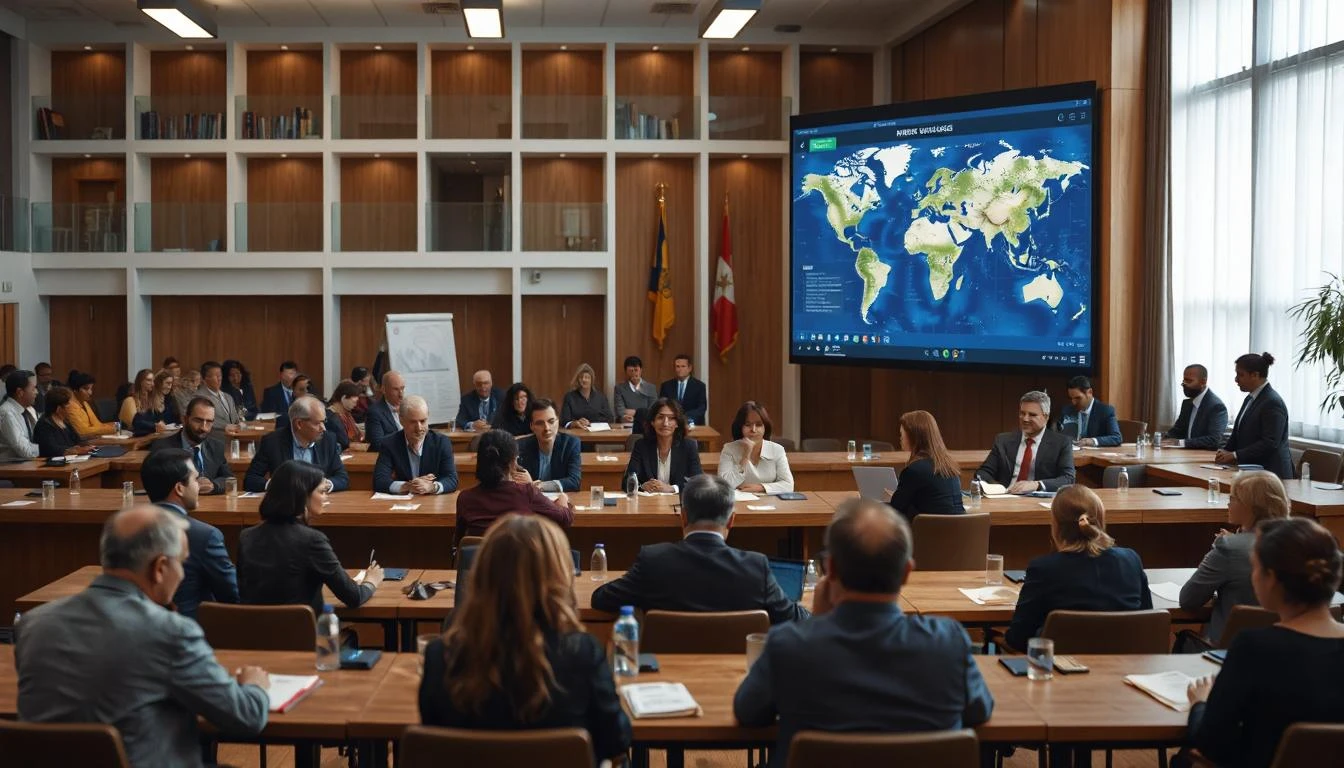
In parallel, international human rights law acts as a global framework that attempts to unify how nations respond to violations. It creates shared standards, even when cultural or political systems differ dramatically.
As legal scholar James Harrington once stated, “Rights are only meaningful when they are enforceable beyond paper and principle.” His perspective reflects a growing concern that law must be active, not symbolic.
Another expert, Dr. Amelia Rosen, emphasizes that “Human dignity is the first language of justice in any society.” Her insight reinforces how deeply rights are tied to respect and recognition of every individual.
Fundamental rights and individual freedoms
At the core of society are freedoms such as speech, belief, privacy, and movement. These rights are increasingly tested in digital environments where surveillance and data collection are becoming normalized. Issues like digital identity protection and online freedom of expression are now part of everyday global discourse.
The role of international human rights frameworks
Global agreements and treaties provide structure for accountability. However, enforcement remains uneven across regions, creating gaps between policy and reality. This tension is one of the biggest challenges in maintaining consistent human rights protection worldwide.
Importance of protecting human dignity
Human dignity remains the emotional and ethical center of all rights discussions. Without it, systems become mechanical and detached from real human experiences. In modern societies, protecting dignity means addressing not only physical harm but also psychological and digital exploitation.
Major Human Rights Issues Today
The modern world presents a paradox: while technological progress accelerates, inequality continues to evolve in new and complex forms. These issues are no longer isolated, they are interconnected across borders and systems.
People today are asking harder questions about fairness in employment, education, healthcare, and digital participation. These concerns reflect a global awareness that rights must evolve alongside society itself.
Equality and non discrimination challenges
Discrimination remains deeply rooted in both visible and invisible systems. From workplace bias to algorithmic decision-making, inequality is often embedded in structures that appear neutral on the surface. Keywords such as social justice reform and systemic inequality solutions are increasingly relevant in global debates.
Access to education healthcare and opportunities
Access remains uneven across regions and communities. While some populations benefit from advanced digital learning tools and healthcare systems, others struggle with basic services. Strengthening human rights protection in these areas is critical for long-term global stability and fairness.
Freedom of expression and civil liberties
Digital platforms have expanded voices globally, but they have also introduced new risks such as censorship, misinformation, and surveillance. Long-tail concerns like how to protect freedom of speech in digital platforms highlight the urgency of balancing innovation with rights preservation.
In the invisible space between freedom and control, modern society is constantly negotiating what it means to be truly free.
Efforts To Strengthen Human Rights Protection
Across the world, governments, institutions, and communities are actively working to reinforce systems that safeguard human dignity. These efforts are not perfect, but they represent a continuous global commitment to improvement.
The evolution of policy frameworks shows that human rights protection is becoming more integrated into economic, technological, and environmental decision-making.
International cooperation and advocacy initiatives
Global organizations such as the United Nations and various non-governmental coalitions continue to play a vital role in advocating for justice. Their work ensures that violations are documented and addressed, even when political resistance exists.
Legal mechanisms for rights protection
Courts, tribunals, and constitutional frameworks provide structured ways to address violations. However, effectiveness depends heavily on political will and institutional independence. The growing importance of international human rights law highlights the need for consistent enforcement across jurisdictions.
Public awareness and social responsibility
Awareness is one of the strongest tools for change. When individuals understand their rights, they are more likely to defend them. Social responsibility from corporations also plays a key role, especially in global supply chains and digital ecosystems.
Promoting Human Rights In A Changing World
The future of rights depends on adaptability. As technology reshapes industries and societies, the definition of justice must also evolve. Digital rights, environmental justice, and labor equity are becoming central themes in global policy discussions.
Human rights protection in this context requires collaboration between governments, private sectors, and individuals. It is no longer a passive legal framework, it is an active responsibility shared across society.